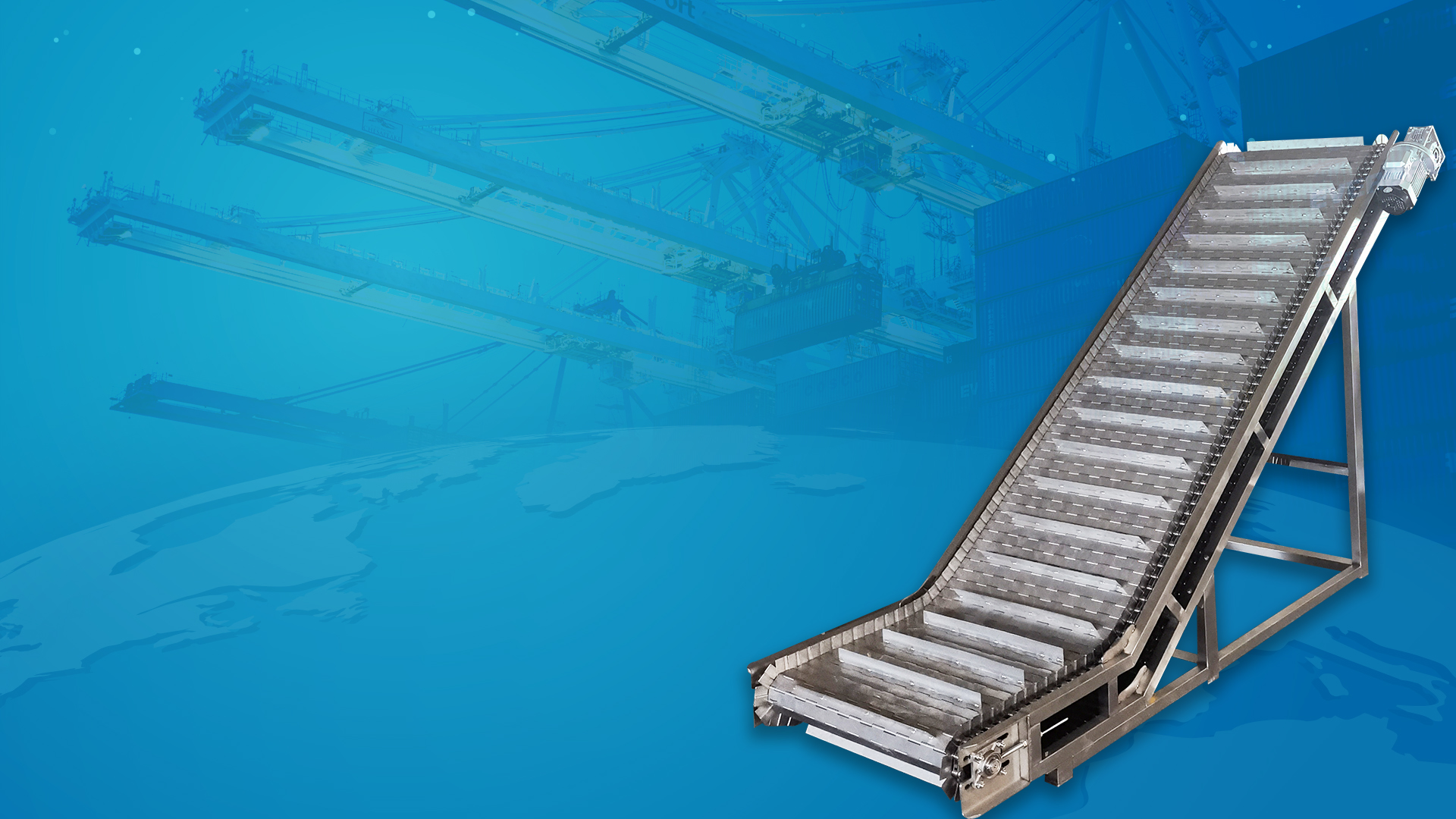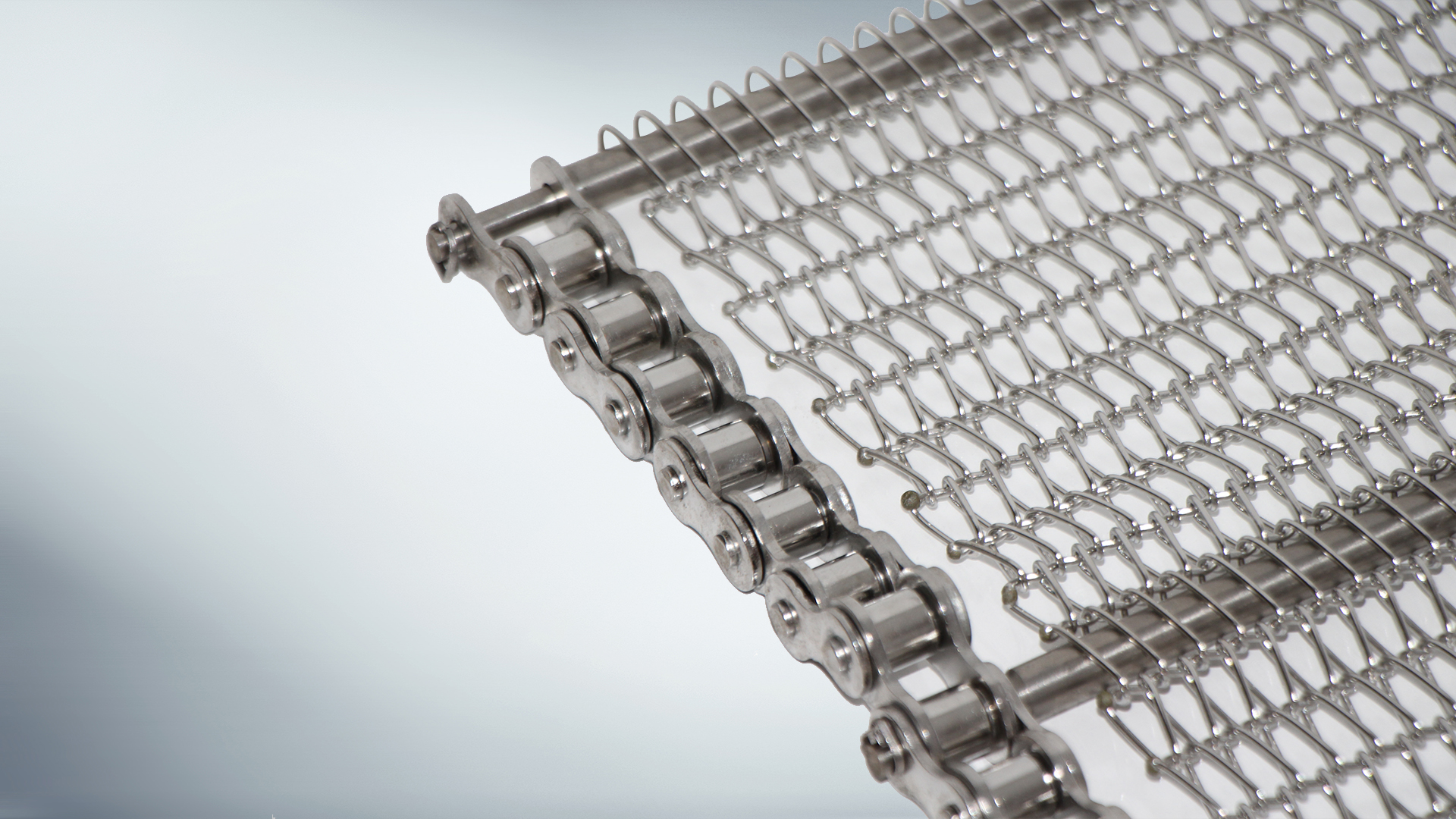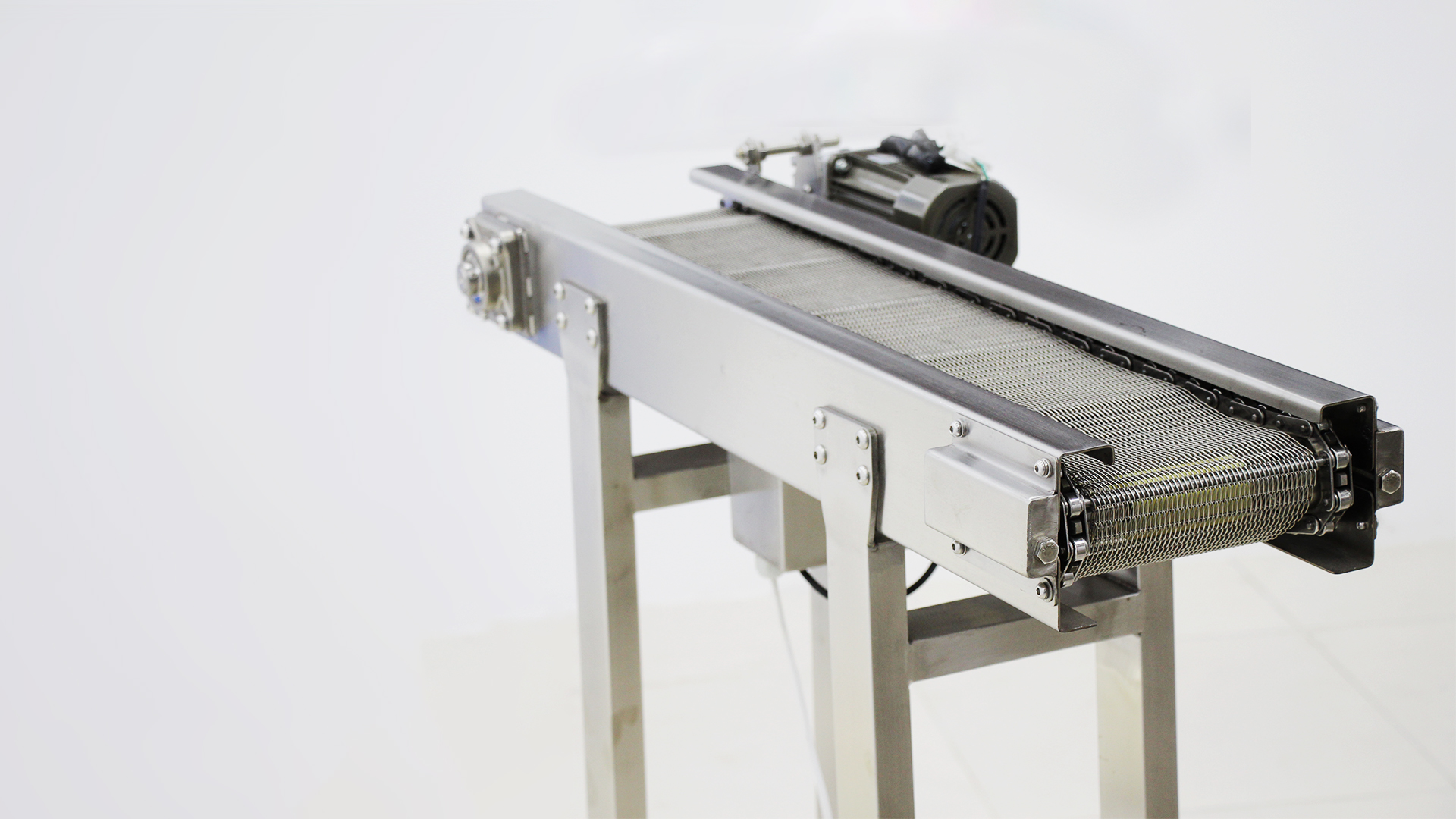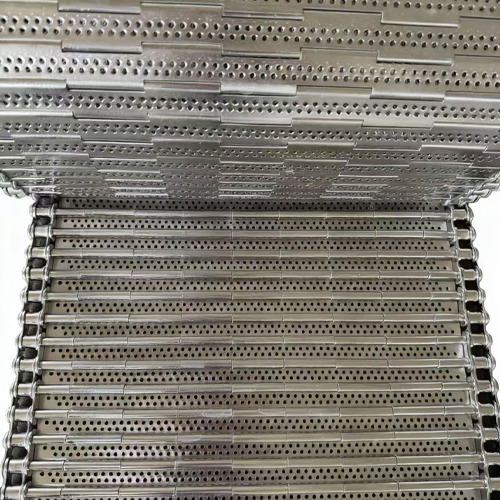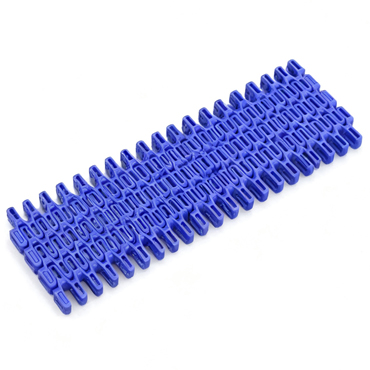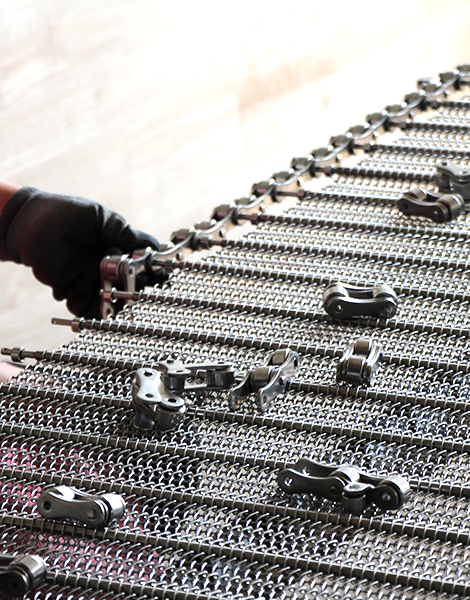


When selecting a roller conveyor made of different materials, multiple factors must be taken into consideration. First is the nature of the items being conveyed. If the items are heavy or irregularly shaped, carbon steel rollers are recommended due to their high strength and load-bearing capacity. For items with surfaces prone to scratches, stainless steel rollers are more suitable as they effectively protect the item’s surface.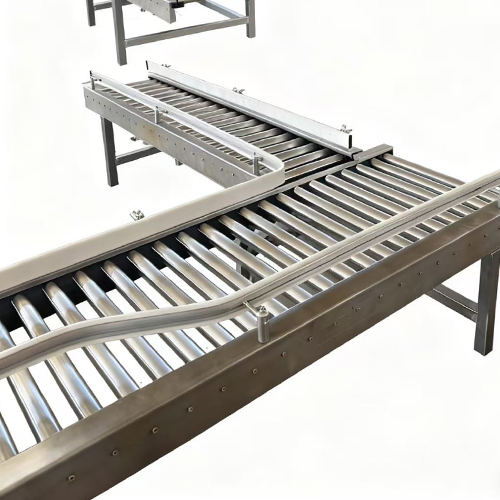
Second is the working environment. In humid or corrosive environments, stainless steel rollers offer excellent corrosion resistance and can operate stably over the long term. In standard industrial environments, carbon steel rollers provide better value for money.
Third is the budget. Stainless steel rollers are relatively more expensive, while carbon steel rollers are more affordable. If the budget is limited, carbon steel rollers are a good choice; if the budget is ample and high-quality standards are required, stainless steel rollers should be prioritized.
Additionally, it is important to ensure that the roller’s specifications—such as diameter and length—are compatible with the conveyor line as a whole, and that integration with upstream and downstream equipment is seamless. By considering all these factors, you can select a roller conveyor line that meets your specific production needs and ensures a stable production process.
Translated with DeepL.com (free version)