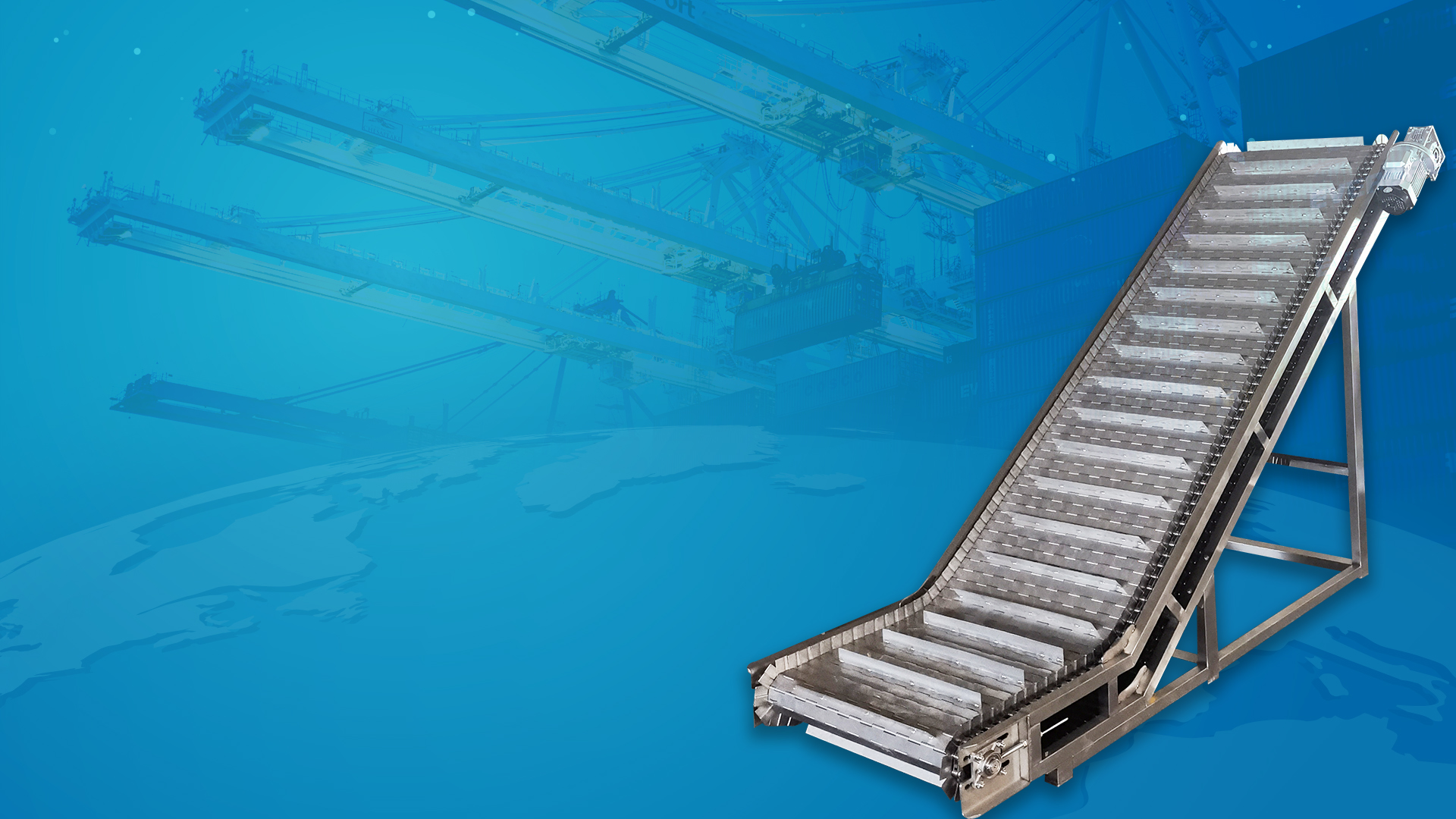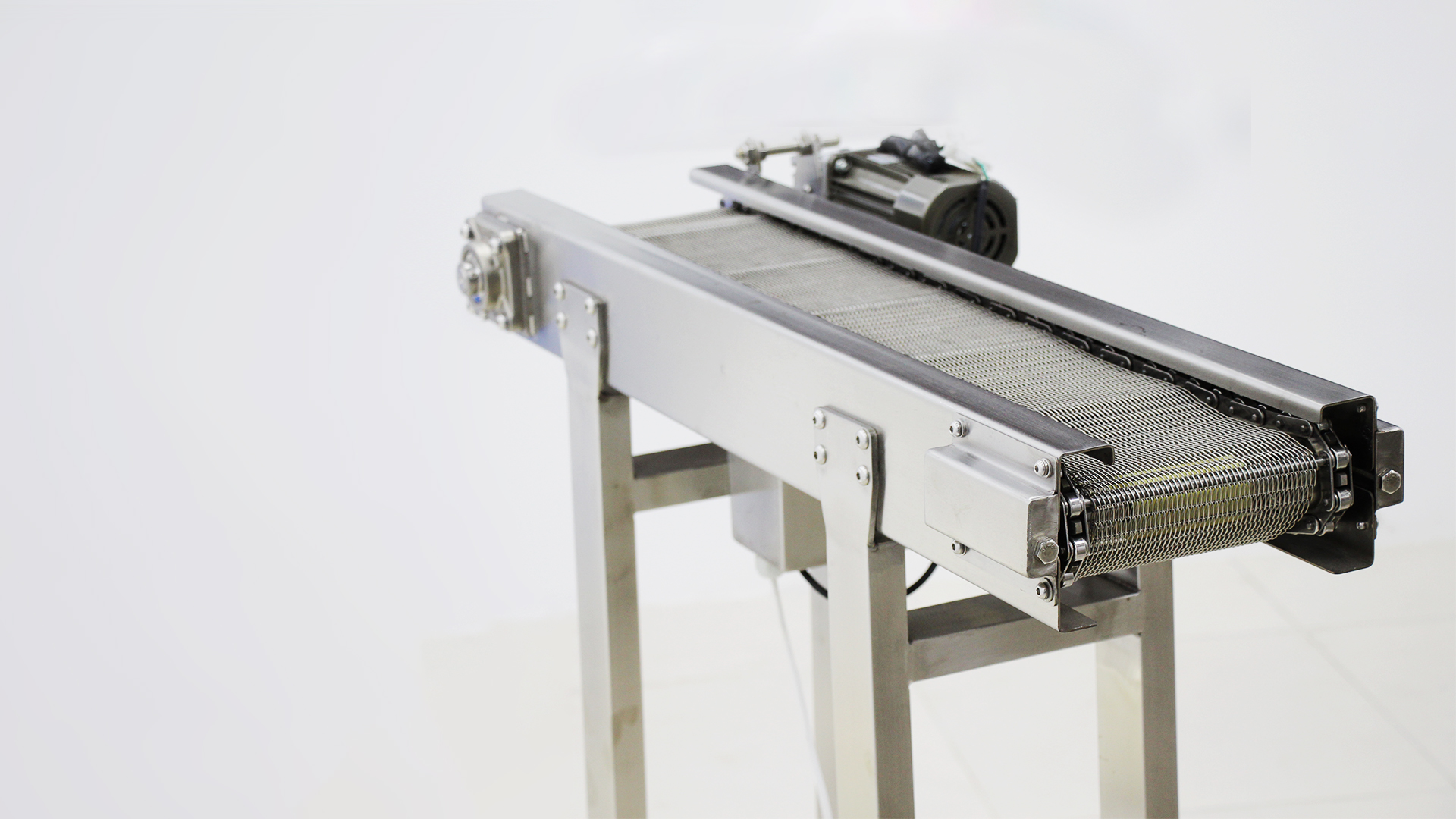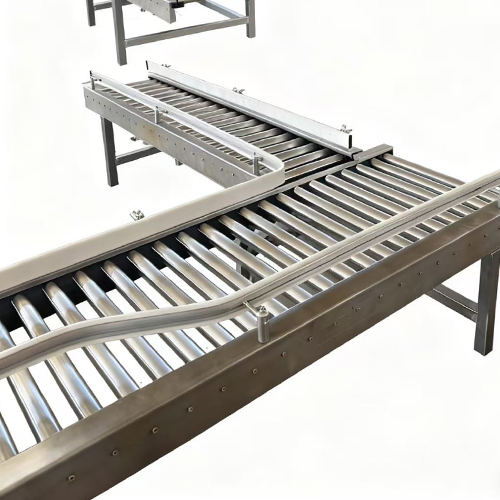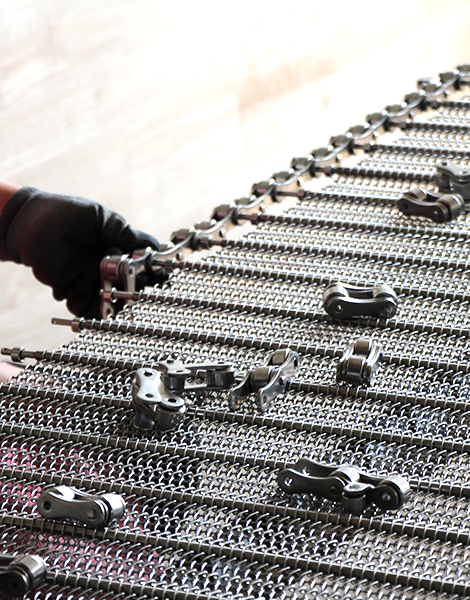


Conveying Capacity: Accurately estimate the hourly material throughput required based on actual production needs. Select a chain conveyor model capable of handling this flow rate to avoid resource wastage from under- or over-capacity.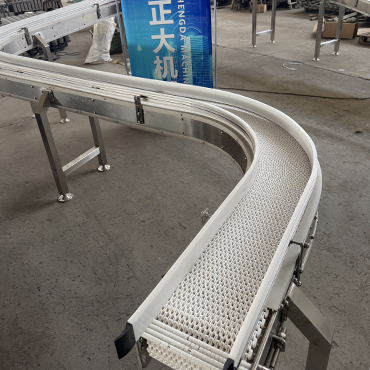
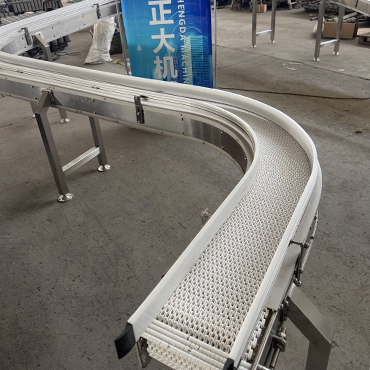
Conveying Length: Determine the conveying distance to ensure the selected chain conveyor's length covers the entire path, guaranteeing materials reach designated locations smoothly.
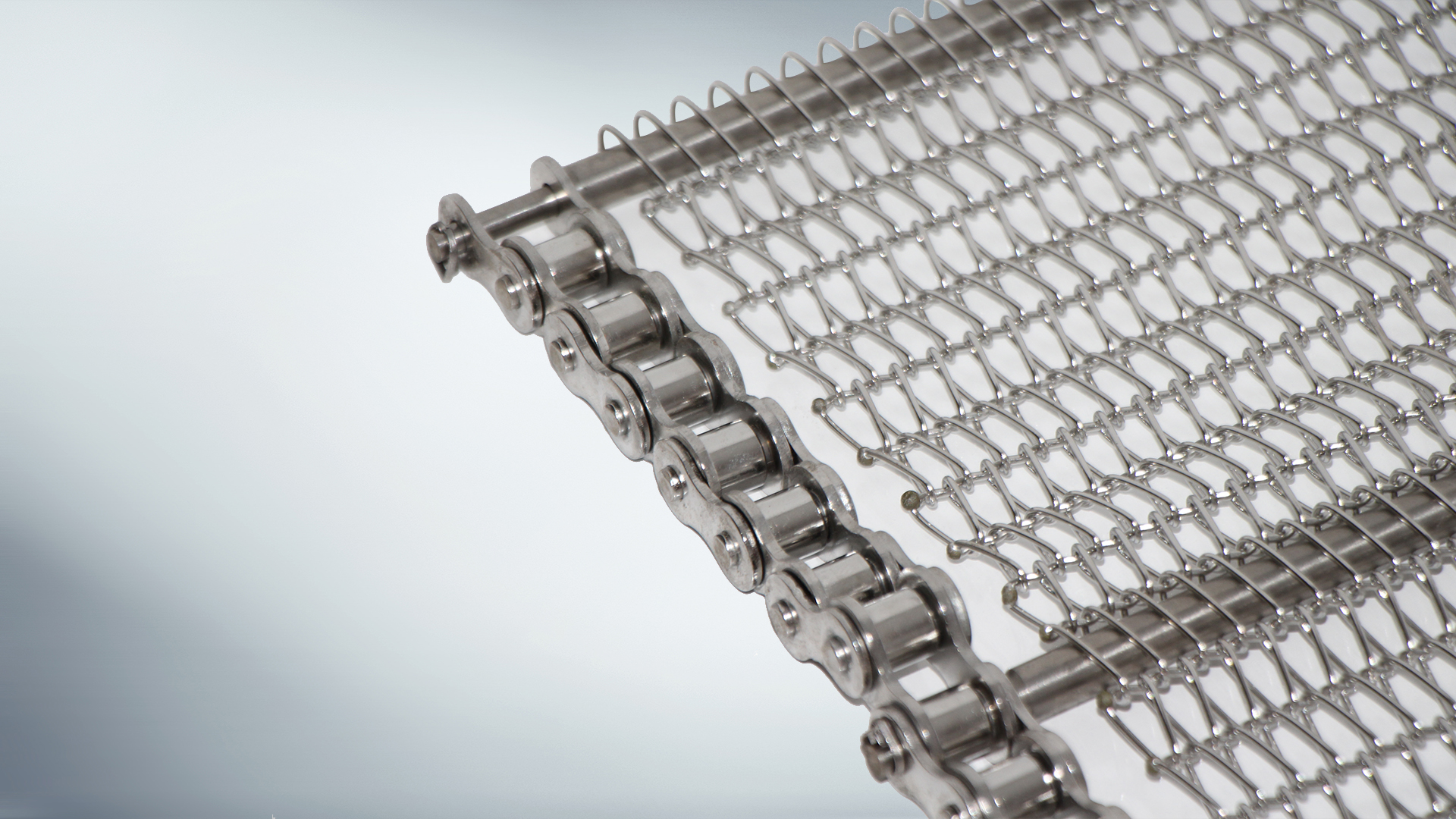
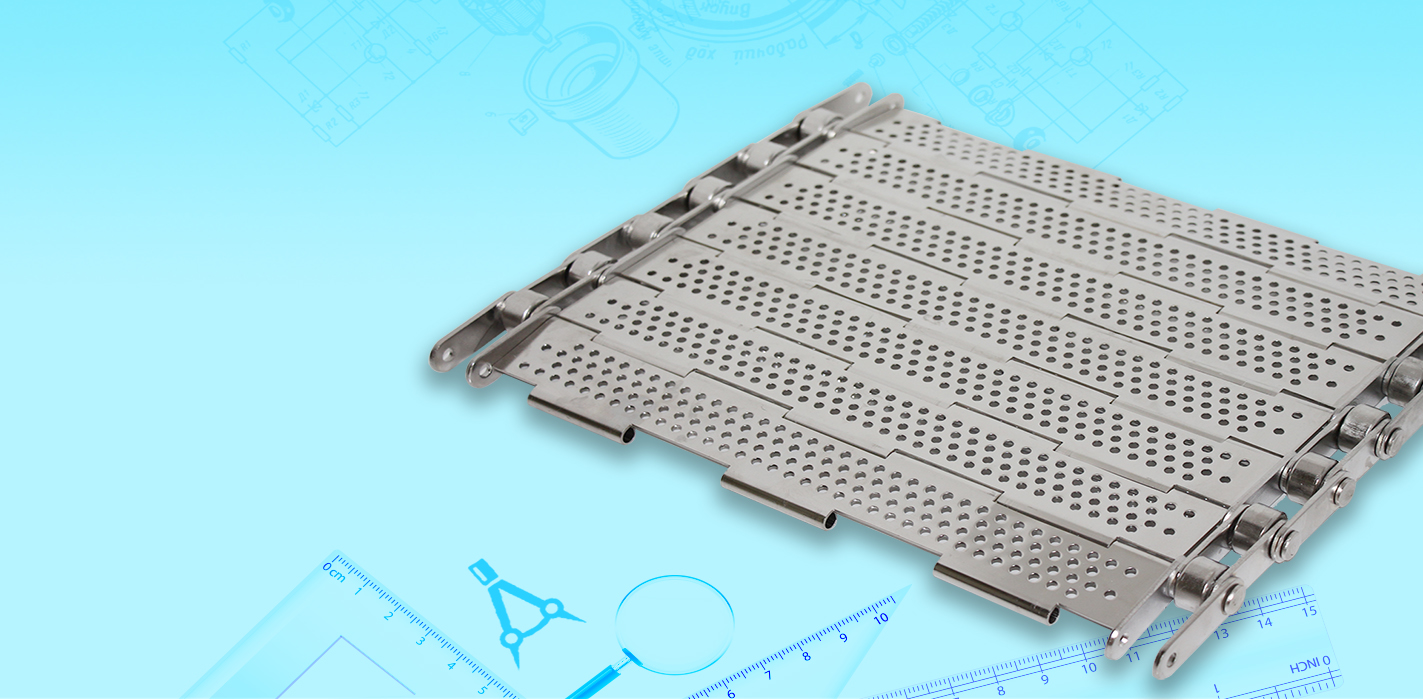
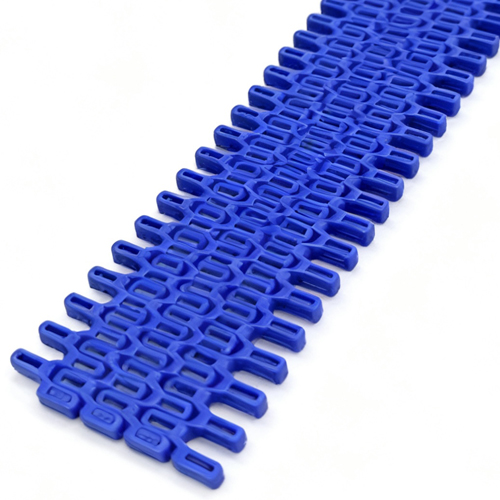
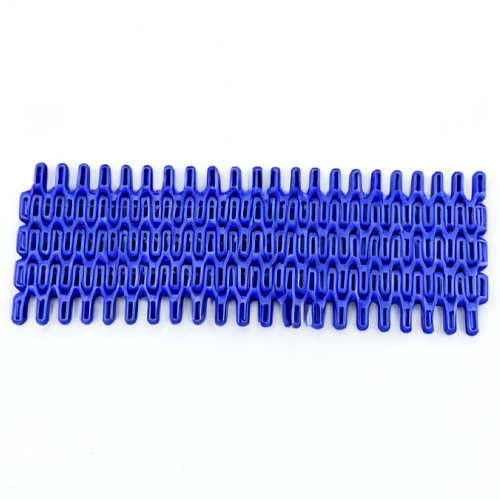
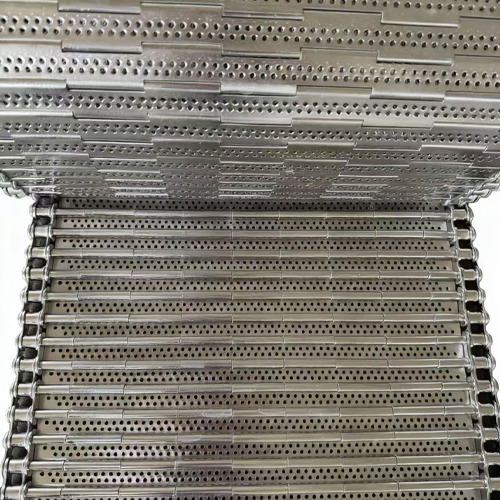
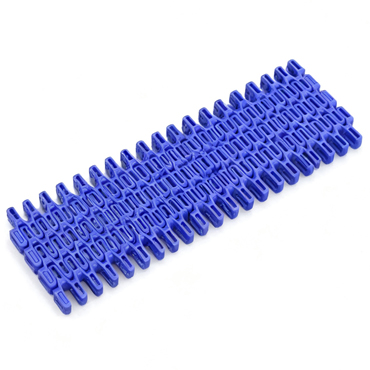
Chain Plate Material: Consider material properties such as corrosiveness and abrasiveness to select appropriate chain plate materials. For example, use corrosion-resistant plastic chain plates when conveying corrosive materials.
Operating Speed: Choose a chain plate conveyor with adjustable speed to flexibly adapt to varying production demands and enhance efficiency.
Operating Environment: For harsh conditions like high temperatures, humidity, or dust, select chain plate conveyors with corresponding protective features, such as high-temperature resistance, waterproofing, or dustproofing.
Equipment Quality: Choose reliable brands and reputable manufacturers whose products typically offer greater assurance in performance stability and durability, reducing long-term maintenance costs and failure rates.
Translated with DeepL.com (free version)